
Introduction
Finding the right engagement ring is a personal decision that goes beyond choosing a beautiful piece of jewellery. It is a meaningful symbol of a special relationship and a moment that deserves thoughtful consideration. From selecting the right design and gemstone to finding a comfortable fit and suitable metal, every detail can influence the final choice. It is a meaningful symbol of commitment, personal style, and an important milestone in a couple’s journey. With so many designs, gemstones, metals, and styles available, finding the right ring can sometimes feel overwhelming. Understanding the important factors before making a decision can make the process much easier.
Whether you prefer a classic solitaire, a modern halo design, or something more distinctive, the right choice should balance appearance, comfort, quality, and personal preference. This guide covers the important details to look at when comparing ring designs, so you can understand your options and choose a style that suits your preferences with confidence.
How to Choose the Right Engagement Ring
The first step is understanding the wearer’s personal style. Some people prefer classic and understated jewellery, while others enjoy distinctive designs with additional stones or decorative details.
Consider their existing jewellery collection. If they usually wear minimal pieces, a delicate solitaire or simple three-stone design may suit them beautifully. For someone who enjoys more noticeable jewellery, a halo or intricate setting could be a better match.
The centre stone is another important consideration. Diamonds remain a popular choice because of their brilliance and durability, but coloured gemstones can provide a distinctive alternative. The shape of the stone also affects the overall appearance. Round, oval, princess, pear, emerald, and cushion cuts each create a different visual effect.
The ring setting deserves equal attention. A prong setting allows more light to reach the stone, while a bezel setting provides a sleek appearance and additional protection around the gemstone. Choosing the setting should depend on both aesthetics and lifestyle.
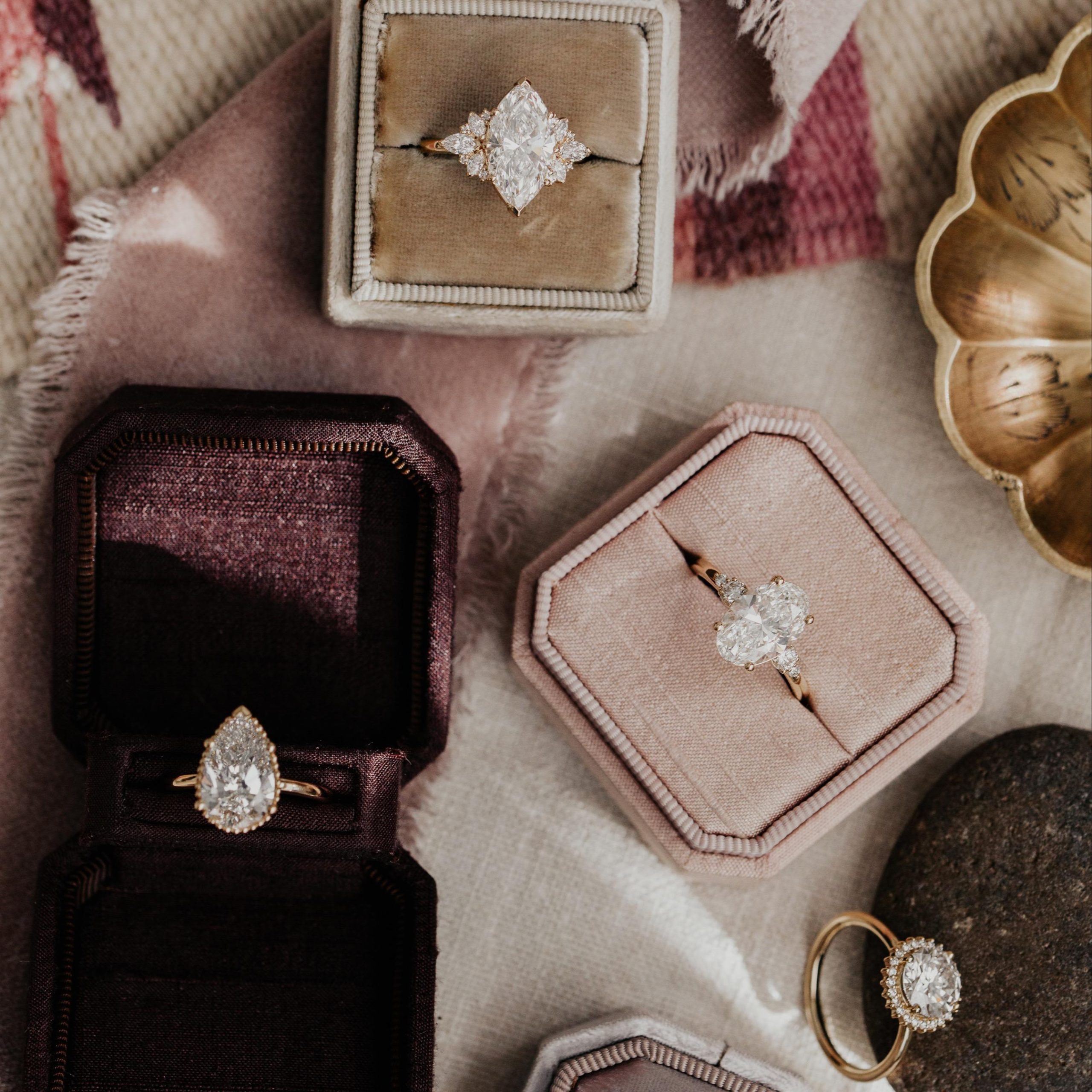
Engagement Ring Styles and Settings
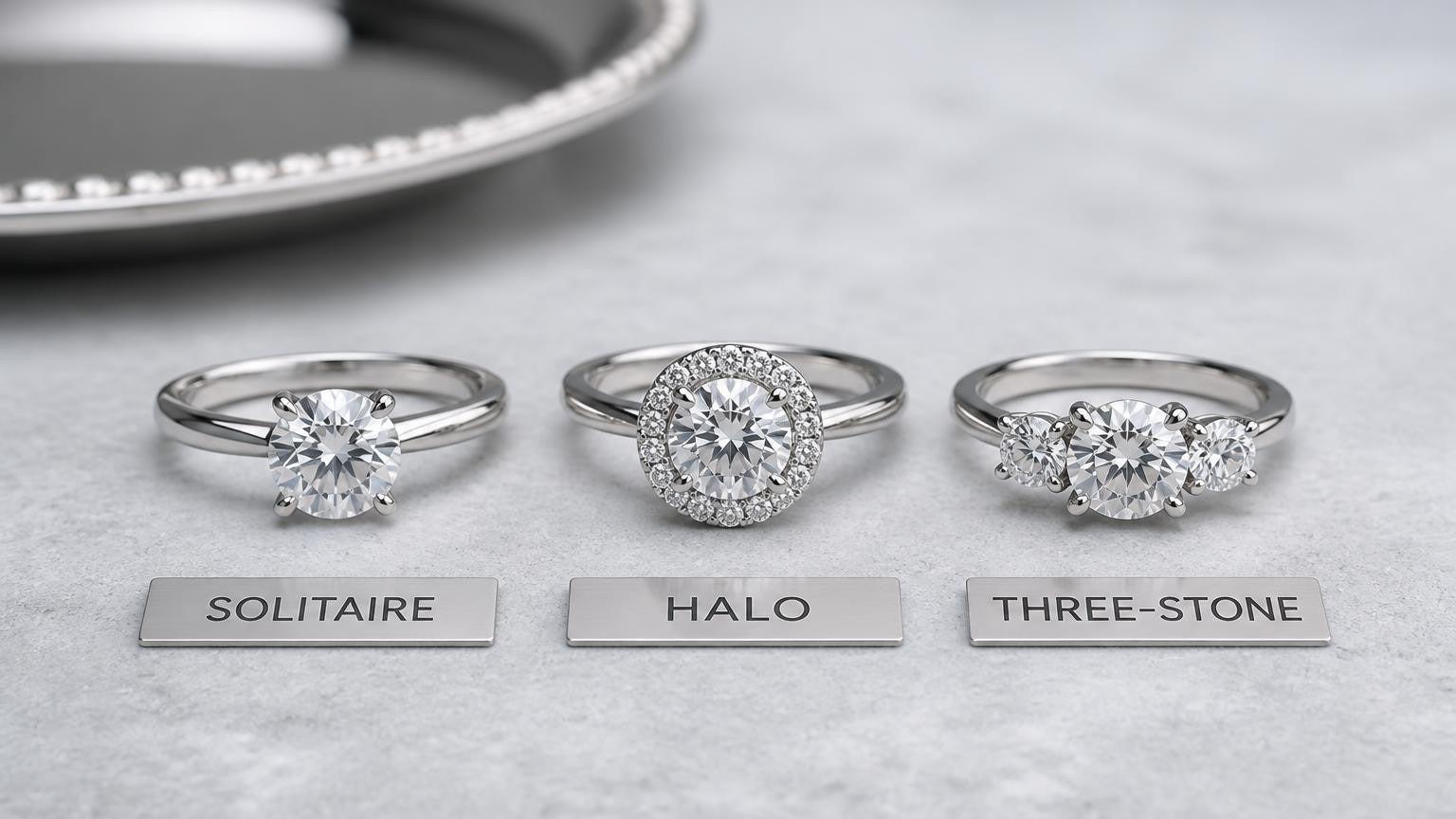
The design of a ring strongly influences its character. A solitaire engagement ring features a single prominent centre stone and is known for its timeless appearance. It works particularly well for those who appreciate simplicity and elegance.
A halo style surrounds the centre stone with smaller gemstones, creating additional sparkle and making the central stone appear visually larger. Three-stone designs are another meaningful option, with stones often representing the past, present, and future of a relationship.
For a contemporary appearance, consider sleek bezel settings, geometric details, asymmetric designs, or bands featuring subtle pavé stones. Vintage-inspired rings can include milgrain edges, engraved details, and intricate patterns that create a romantic, traditional feel.
The setting should not be selected purely for appearance. Think about everyday activities as well. Someone with an active lifestyle may prefer a lower-profile setting with fewer exposed edges, while someone who enjoys statement jewellery may appreciate a more elaborate design.
Choosing the Best Metal for an Engagement Ring
The material you select plays an important role in how the ring looks, feels, and holds up with regular wear. Popular options include yellow gold, white gold, rose gold, and platinum, each offering its own distinctive finish and character.
Yellow gold provides a traditional and warm appearance. Its warm tone pairs beautifully with traditional jewellery and is an ideal choice for anyone who prefers an elegant, enduring style.
White gold has a bright, contemporary appearance and can create a clean background for diamonds and other gemstones. Rose gold brings a delicate pink hue to the design, giving the ring a warm, romantic appearance with a distinctive touch.
Known for its strength and naturally white appearance, platinum gives a ring a luxurious presence and a solid feel that suits those who appreciate understated elegance.
No single metal suits every wearer, so the ideal choice depends on personal style, comfort, and everyday preferences. Consider existing jewellery, preferred colours, lifestyle, and maintenance requirements before choosing.
Selecting a Diamond or Gemstone
The centre stone is usually one of the most noticeable parts of a ring. For diamonds, factors such as cut, colour, clarity, and carat weight can influence appearance and value.
Cut is especially important because it affects how effectively a diamond reflects light. A well-cut stone can appear lively and brilliant even when it is not the largest option.
Colour describes how much colour is visible in a diamond. Stones with less visible colour generally have a brighter, more neutral appearance.
Clarity indicates how clean a diamond appears by considering the tiny natural features found inside the stone or on its surface. These details can influence appearance, but not every difference is easily visible without magnification.
Carat refers to weight rather than visual size alone. Two diamonds with the same carat weight can appear different depending on their shape and proportions.
Engagement Ring Size, Comfort and Fit
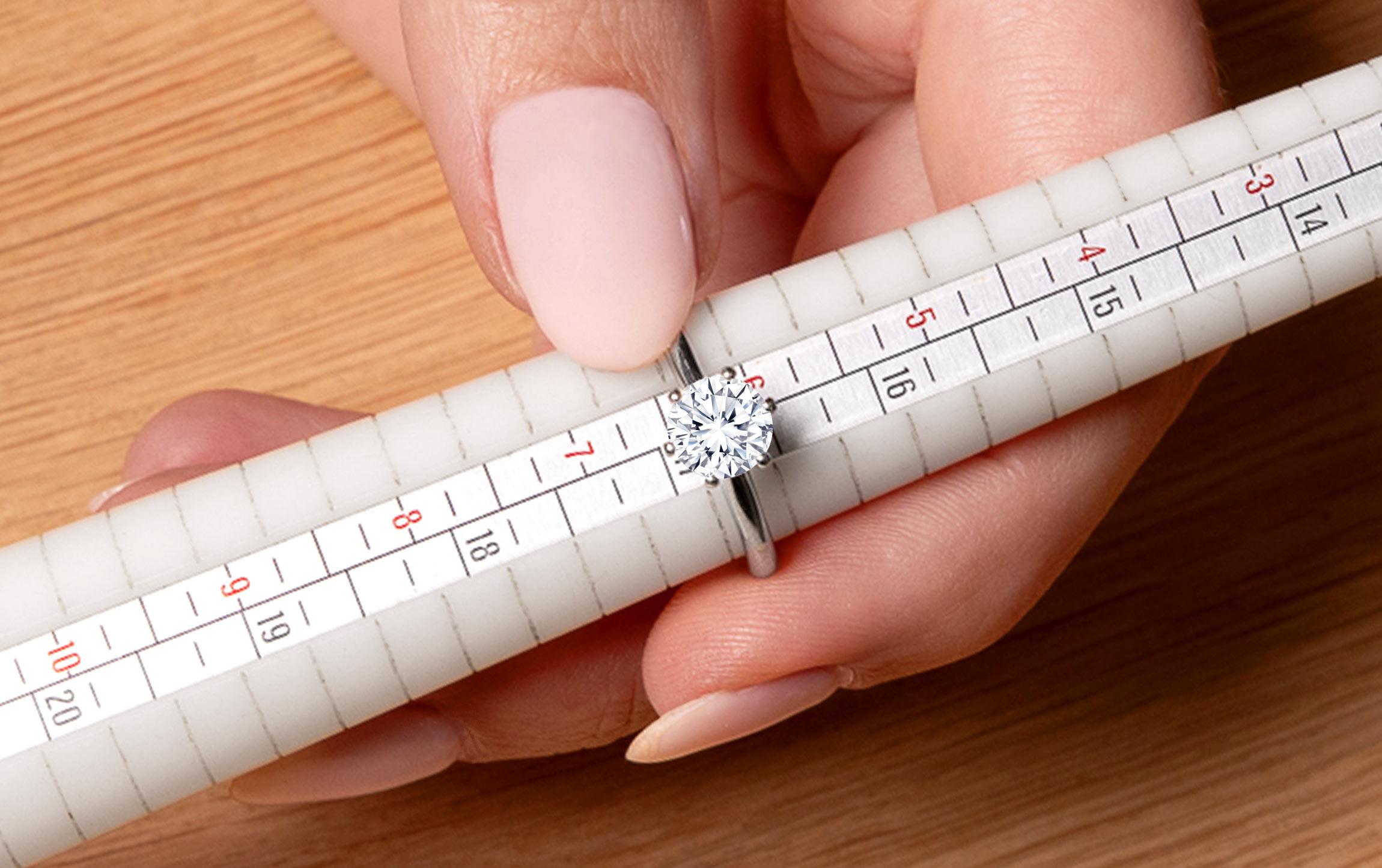
A beautiful design is only useful when it feels comfortable to wear. Ring size should therefore be considered carefully before selecting a final design.
If the ring is intended as a surprise, discreetly checking an existing ring that fits the recipient can provide a useful starting point. However, different fingers can have different sizes, so professional measurement is the safest option.
Finger size can also change slightly throughout the day because of temperature and natural swelling. A professional jeweller can help determine an appropriate fit and explain whether a particular design can be resized later.
The shape and width of the band can also influence how a ring feels. Wider bands may require a slightly different fit than narrow designs, making comfort an important consideration alongside appearance.
Engagement Ring Budget and Quality Considerations
Setting a budget before exploring designs can make the selection process more focused. Instead of following a fixed spending rule, consider what provides the right balance of quality, design, comfort, and personal preference.
For diamond rings, factors such as cut, colour, clarity, and carat weight influence appearance and value. However, these characteristics should be considered together rather than individually. A well-cut diamond can display impressive brilliance even when other characteristics are selected according to a practical budget.
The craftsmanship of the setting is equally important. Look for secure stone placement, clean finishing, smooth edges, and a well-constructed band. If purchasing a diamond, reliable documentation and clear information about the stone can also help you make a more informed decision.
Remember that a higher price does not automatically mean the design is more suitable. The best choice is one that meets your priorities and feels meaningful to the wearer.
Consider Quality and Certification
When comparing rings, appearance should not be the only consideration. Quality, craftsmanship, gemstone authenticity, and documentation can also be important.
For diamond jewellery, ask about available grading or certification documents and understand what information they provide. A reliable jewellery professional should be able to explain the gemstone’s characteristics and the materials used in the setting.
For gold jewellery, checking purity markings and relevant hallmark information can help you understand the metal composition. Paying attention to these details can make the buying process more transparent and help avoid decisions based solely on appearance.
It is also useful to understand the return, exchange, resizing, and maintenance policies before finalising a purchase.
Engagement Ring Care and Everyday Maintenance
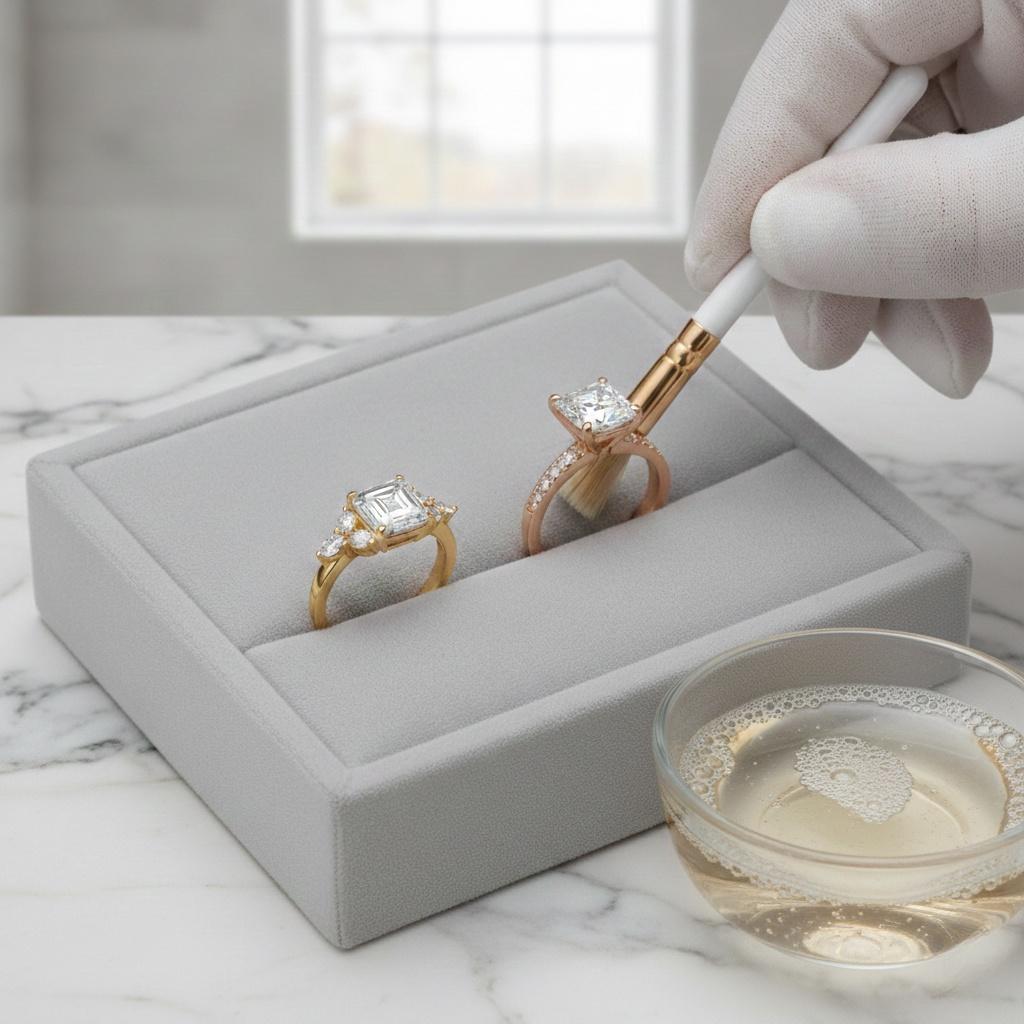
Regular care can help preserve the appearance of a ring for years. Jewellery can collect oils, dust, and residue through everyday use, particularly around the gemstone and setting.
Avoid exposing the ring unnecessarily to harsh chemicals, cleaning products, or activities that could cause scratches or impact. When the ring is not being worn, keeping it in a soft-lined jewellery box or separate compartment can reduce contact with other pieces.
Occasional professional inspection is also worthwhile. A jeweller can check the setting, prongs, gemstone security, and overall condition. Early attention to loose stones or damaged components can help prevent more serious problems.
Final Checklist Before Choosing
Before selecting your ring, consider these essential points:
- Design: Does the style match the wearer’s personality?
- Gemstone: Is the centre stone suitable for the desired look and lifestyle?
- Setting: Is the gemstone secure and practical for everyday use?
- Metal: Does the metal complement personal style and existing jewellery?
- Size: Is the fit comfortable and appropriate?
- Quality: Are the stone and craftsmanship properly evaluated?
- Budget: Does the choice provide the right balance of quality and value?
- Care: Are cleaning, inspection, and future maintenance requirements understood?
Final Tip
Choosing an engagement ring should be a thoughtful process rather than a decision based solely on appearance. The right combination of design, gemstone, metal, setting, size, comfort, quality, and care can create a piece that feels beautiful today and remains meaningful for years to come. If you are also exploring diamond jewellery options, you can learn more about Diamond Jewellery to understand styles, quality, and buying considerations before making your choice.
Take time to understand the available options, consider the wearer’s lifestyle and personal taste, and focus on quality craftsmanship. With the right knowledge, selecting an engagement ring becomes less complicated and much more enjoyable—allowing the final choice to represent both personal style and the significance of the occasion.
Frequently Asked Questions About Engagement Rings
What factors should I look at when selecting an engagement ring?
Start by thinking about the design, gemstone, metal, ring size, comfort, workmanship, and your budget. The wearer’s everyday style is equally important, as the ring should feel attractive while being comfortable enough for regular use.
Which engagement ring style is best for a classic look?
A solitaire is one of the best choices for a classic and timeless appearance. Its simple setting keeps attention on the centre gemstone and can complement different personal styles.
How do I choose the right ring size?
The most accurate approach is to have the finger professionally measured. If the ring is a surprise, an existing ring that fits the correct finger can provide a useful reference, although professional sizing is recommended before finalising the design.
What is the most important factor when choosing a diamond?
Diamond cut is particularly important because it influences how the stone reflects and returns light. Colour, clarity, and carat weight should also be considered together rather than focusing on only one characteristic.
Which metal is suitable for an engagement ring?
Gold, white gold, rose gold, and platinum are popular choices. The best option depends on personal preference, existing jewellery, lifestyle, desired appearance, and maintenance requirements.
Pingback: Diamond 4Cs Guide: Understanding Cut, Colour, Clarity & Carat -
Pingback: Diamond 4Cs Guide: Complete Guide to Cut, Colour, Clarity & Carat